I Have No Mouth,
And I Must Quest
How Video Game Players Have Used Game Mechanics to Form a New Language
By Marina
Abstract
From all over our world, millions of players connect with one another in digital worlds via online video games. Players from various cultures who do not share a spoken language meet within these digital realms to overcome a challenge more difficult than any quest from their adventures; communication. While game developers have attempted to solve the problems of intercultural communication in their games, players have made their own attempt and are using a new language they created, one not tied to existing cultures. The language relies on common systems implemented in modern video games and its usage can be observed across a wide landscape of games. While the language has a limited amount of resources and cannot convey complex thought, it still manages to facilitate simple communication between players who do not speak each other’s languages. Within this dissertation, I analyse the features of this new language and use the results of surveys to understand how players engage with it.
The study of video games is an area of academia still in its infancy; it was only a couple of decades ago when works such as Hamlet on the Holodeck (Murray, 1997), and Cybertext (Aarseth, 1997) began to pioneer this field of research. For much of the years to follow, video game discussion has focused on which framework best suited the analysis of this medium. By building upon the foundations set by these discussions, it has become possible to more clearly analyse the cultures found within video games. To the endeavour of developing more discussion on the culture of video games, in particular about a language I have yet to see discussed elsewhere, I am within this dissertation to analyse the ‘inter-video game’ non-verbal language created and used by gamers. I use the term ‘inter-video game’ here to mean that it appears across multiple games.
Within this dissertation, I have focused on how players use game mechanics to communicate with one another, rather than how game developers provide game mechanics for the purpose of communication. For the latter, a ludological framework (the study of interactive media) would have likely been the best-suited approach for analysis, but as I am focusing on a language developed by the players, I felt that a social semiotic framework would be more appropriate for this analysis. Additionally, as I will be analysing a language and its cultural ties, I will introduce several theories from sociolinguistics that will be relevant to the discussion.
It’s important to note that I am not disagreeing with the ludological approach to game analysis. Gonzalo Frasca, an advocate for ludological analysis, admits that ‘ludus’ framework “does not announce the end of representation [narrative]: it is an alternative, not a replacement” (2003, p.233). I believe that due to the growing complexity and the many elements that comprise modern video games, this same statement can be applied to other frameworks, depending on which aspects of games are being discussed. In this case, I will be looking at non-verbal communication between players, an area not closely related to how games are designed and instead more closely related to language. Thus social semiotics would be an appropriate alternative to ludology for this discussion.
In my literature review, I will explain pertinent concepts within social semiotics and sociolinguistics, and how we can define what makes a language, particularly a non-verbal one. This will be used to see how video game players have made a language for themselves. Also within my literature review, I will discuss how this medium has been analysed thus far, both within and outside of social semiotics, and how my work contributes to this field of research.
For the following chapter, I will explain many of the key features of this gamer-made non-verbal language. This chapter will be broken into several sections to highlight each discussed feature. This will include what its resources are, their meanings, the modes that modify meaning, cultural association, censorship problems, the language’s capability for discourse, and the limitations.
To gain further understanding of how the studied language is used, in the next chapter I have surveyed players in several online games and recorded how, if at all, they respond to non-verbal communication. With the results of my surveys, I aim to answer three questions about the language; first, is this gamer-made non-verbal language ‘inter-video game’? Second, how do players respond within this discourse? Third and finally, how valid is this language in online discourse compared to the communication methods created by developers? For that last point, I will compare surveys using the gamer-made language against surveys using non-verbal game mechanics that are intended by the game developers to be used for communication.
It is worth noting that the language I aim to discuss within this dissertation is not the only language of video games or gamers, but I believe it to be the most distinct player-to-player non-verbal language in multiplayer games that exists today. There also exist many other languages developed within this medium that warrant their own research and articles written about them. For analysis of some of these other languages, I recommend listening to Lemarchand’s talk on how games communicate with players (2012) or reading Ensslin’s The Language of Gaming (2012) for a wider overview of the many languages of gaming.
In The Social Discourse of Video Games Analysis Model and Case Study, Pérez-Latorre identifies that in the past, when analysing video games, the application of theoretical models from other fields of study, such as media studies and humanities has received much criticism (2015, p.417). Adding that since Murray (1997) and Aarseth’s (1997) work analysing video games as ‘ludic structures’ (media built from interactive components), most discussion of video games applied similar ludological approaches. However, Pérez-Latorre’s work shows that there is still room for discussing some aspects of video games with theories and frameworks outside of the field of Ludology. As this dissertation focuses on a form of non-verbal communication in online games, I believe social semiotics to be an appropriate framework for this analysis.
There are many ways in which people communicate non-verbally; some of these ways tie into a language or culture, whereas some have become languages themselves, separate from any cultural association. Regarding the language I am addressing in this dissertation, despite it lacking a linguistic component, there are several theories from sociolinguistics that can help explain the role of this language within cultures. For instance, this language could be discussed as a ‘lingua franca’, a means of mutual communication between people who do not speak the same language (Muysken, 2008) and (to some degree) a freely-developing anti-language, a language created by a group to support an alternate or subversive culture (Halliday, 1976). However, as the language relies entirely on non-verbal signs, I will be mostly looking at it through the lens of social semiotics and including linguistic theory where appropriate.
In Language as Social Semiotic, Halliday explains his theory of language as “not a code, not a set of rules for producing correct sentences, but a ‘resource for making meanings’” (1978, p.192). Van Leeuwen clarifies this statement in his book, Introducing Social Semiotics, stating that in social semiotics, the resources that compose language are our method of communicating, whether they are produced physiologically or via technology (2005, p.3). Both a person’s frowning face and a digital emoticon of an angry yellow circle are considered by this theory to be equally valid resources for communication within their respective languages. For video games, Pérez-Latorre, Oliva, and Besalú aptly label game mechanics as the main ‘semiotic resources’ of game design (2017, p.588).
There are many languages reliant on technology that can be observed currently. Veszelszki coined the term ‘digilect’ referring to the “language use of computer-mediated communication … with specific features that are not characteristic to communication transmitted by other mediums” (Veszelszki, 2017, p.23). Within her book, Veszelszki explains many of the digilects she has observed, including some that are used within video games. She does not however mention any forms of non-verbal communication found in video games and I believe that the language I describe in this dissertation would be an appropriate addition to the growing list of digilects.
Regarding how this language exists separately to other verbal languages and their associated cultures, I believe it is best to consider how language connects to identity. Carlson and Corliss argue that worlds inside games foster an amalgamation of culture and politics. Players logging in to these worlds develop alternate identities for themselves that fit into these alternate realities.
A joining of people with a global media that does not remind them of a ‘‘home,’’ but ignites in them an excitement for places they have yet to go. As these audiences search through and filter the narratives and images presented to them, they engage with and produce (alternate) identities (Carlson & Corliss, 2011, p. 63)
As Jackson (2014, p. 132) explains, “Rather than a single, fixed identity, people have many dimensions to their sense of self”. Identities, like the alternate ones players develop in games, are multifaceted and with each dimension to one’s identity comes an array of attributes, including language. For example, an adult Brazilian man socialising in-person with his friends from work may speak Portuguese and try to be the funny one in the group, but when playing Everquest (Verant Interactive, 1999) with strangers online, he may primarily communicate in emotes and be more concerned about honing his avatar’s smithing skills than being a comedian. By logging into this game, and while not speaking another verbal language, this player switches his identity and with it his language.
As for how groups develop languages, Jackson (2014 p. 142) goes on to state that “over time, social and cultural groups develop certain ways of being, including communication styles and linguistic norms”. Any cultural or social group, be they large or small, develop for themselves a group identity and with it a style of communication, ranging anywhere from a sociolect to a distinctive language. This can even apply to groups of people with varied cultural, linguistic, religious, or national identities. Gile’s (1979) Communication Accommodation Theory suggests that people adjust their communication to better fit the group they are in. Therefore, as each member’s linguistic identity converges with one another, a unique language is developed within this social group.
To demonstrate the importance of non-verbal communication, Hall (2019, p. 227) explains that “our social competence often needs to extend beyond the linguistic units of an exchange. Non-verbal elements too can exert a significant influence on how the pragmatic features of an encounter play out”. He later adds that “certain non-verbal lines of behaviour can shape whether an exchange takes place at all” (p. 231), showing that before or without verbal communication, non-verbal actions can dictate social interactions. The same influence on social interactions can be seen in online games; a player’s non-verbal actions committed through their avatar can dictate whether any further exchange with other players is made at all.
Regarding the types of games I will be using for my surveys, MMORPGs (Massively Multiplayer Online Role-Playing Games) have been a popular subject for analysis of social discourse in video games. This genre of game is one that facilitates behaviour from its players that most closely resembles real-world discourse. In a typical MMORPG, after a player’s avatar’s creation (birth), they are able to learn skills, work jobs, socialise, own property, exchange money for goods and services, etc. Many faculties of life in the real-world are simulated within these games, but with the added enjoyment of the player being able to decide who their avatar is born as. Additionally, these simulated worlds are inhabited by the avatars of players all over the world, from many different demographics and psychographics. The combination of these artificially created worlds and the real people within them creates excellent models for studying many different areas of social phenomena.
Researchers have made tremendous headway in analysing social discourse in online games in the past couple of decades. For a broad investigation of this subject, see William Sims Bainbridge’s analysis of how his experiences within World of Warcraft (Blizzard Entertainment, 2004) mimicked social politics outside of video games (2010). Regarding more specific subjects, World of Warcraft has been placed under the microscope for many other investigations of online discourse, such as Balicer’s use of online games as models for epidemiology (2007). Additionally, there have been discussions more closely tied to my topic of research, such as Geraci’s analysis of online games as substitutes for religious landscapes (2014) and Pearce’s examination of how gendered identities can be determined in online communication (2016). All of these works investigate some form of intricacy of communication in online games, but I have yet to find work detailing the ways in which players have developed inter-video game language and nor have I found any discussion on non-verbal communication between players. I have thus selected World of Warcraft as one of the games I will use to survey players.
While World of Warcraft has received a range of varied analysis, two other games I will be discussing, Final Fantasy XIV (Square Enix, 2013) and Fortnite (Epic Games, 2017), have received very little. As an MMORPG, Final Fantasy XIV is another suitable subject for observing social behaviour in humans and, as such, has been the case study for a handful of journals in this field. Due to its many similarities to World of Warcraft and its absence from social semiotic-related academic writing, I have chosen to include Final Fantasy XIV in my survey.
Fortnite, on the other hand, an online FPS (First-Person Shooter) game, has only so far received academic writing about its marketing and phenomenal financial success. This is mostly due to Fortnite’s market dominance in the past two years dwarfing the earnings of these other two games, and any other game for that matter (Takahashi, 2019; SuperData, 2020). This has unfortunately distracted many people from the potential of writing about social phenomena within the game. In response to that gap in analysis, I have chosen to use Fortnite as the third member of my survey. But before investigating the non-verbal language used in these games further, I would like to first explain the features of the language made by gamers.
Within this chapter I will explain some of the major features of the gamer-made non-verbal language.
Semiotic Resources For Making Meanings
Consider the following situations:
These are three games from different genres and with little in common between them. Yet for each game, players have been able to communicate the same meaning with the resources available to them. In Street Fighter the player is taunting you into approaching him; in Call of Duty the player is taunting you to celebrate their own success; in Fallout 76 the player is taunting you to follow him, likely into a trap. However, these are not the actions these game mechanics were designed for:
“Almost everything we do or make can be done or made in different ways and therefore allows, at least in principle, the articulation of different social and cultural meanings.” (Van Leeuwen, 2005, p.4)
In Street Fighter, Call of Duty, and Fallout 76, crouching was designed for blocking low attacks, steadying the aim of one’s gun, and activating ‘stealth mode’, respectively. Players have used these similar mechanics in order to convey the same expression between the games. We can identify the action of crouching as what Halliday called ‘a resource for making meaning’, one of the many that comprise this gamer-made language.
Meaning Potential
After identifying a semiotic resource, we are able to describe its semiotic potential (Van Leeuwen, 2005, p.4). In other words, we can describe the possible meanings this action can have. In the case of the previous examples, each of the three games have shown one of the meanings of crouching to be an expression for taunting opponents. Street Fighter and Fallout 76 additionally demonstrate the semiotic potential of crouching as a means of ‘baiting’ an opponent. However, this is not the complete set of potential meanings; more can be observed in other cases where crouching is used. Additionally, there may be meanings that can be associated with these signifiers that have yet to even be discovered yet. The theory of ‘affordance’ according to Gibson explains that different people in different contexts can perceive different meanings of a signifier (1979). The result of this is that each resource within a language has sets of both objective and subjective meanings.
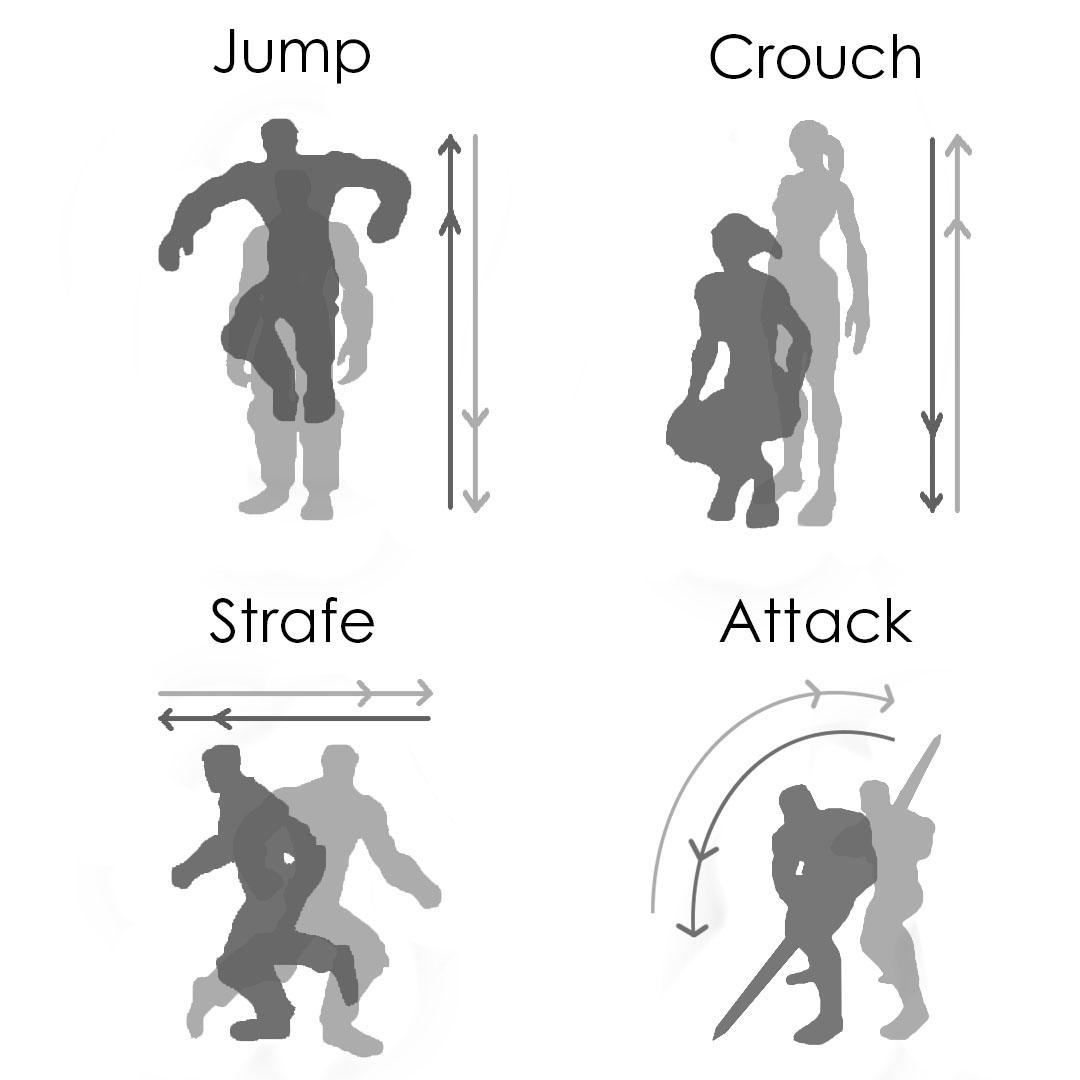
Below are some examples of resources and their potential meanings that I have identified:
Resource | Potential Meanings |
Repeated jumps | Greeting Directive (i.e. signifying a location) Request |
Repeated crouches | Taunt Bait Affirmation |
Back-and-forth strafing | Dissatisfaction Expectation (i.e. signifying that the player is waiting for something) |
Attack | Taunt Dissatisfaction Check for attention |
Fig 1. Diagrams of the resources mentioned above
Modes
In discourse, there are many variables influenced by the signer (speaker) that determine the specific meaning of a language’s resources for the recipient (listener). These variables, called modes, are the signer’s tools for indicating which of the potential meanings for a resource they intend for the recipient to understand.
“As we know, communication is hardly ever mono-modal (cf. Kress and van Leeuwen, 2001). Even in spoken and written communication, non-verbal elements such as body language, voice, pitch and intonation, and any other semiotic modes such as images, typeface and background noise and soundtrack contribute to the expression and understanding of semantic content.” (Ensslin, 2012. p.5)
As we venture into online discourse, most of those modes Ensslin mentions are taken away. However, for the gamer-made non-verbal language, this does not mean that it relies on fewer modes; this language just has alternate, unique modes. These modes help differentiate some of the potential meanings of a resource in a particular context. Below are examples of some modes of this language that I have observed.
Mode | Effect |
Proximity [1] | The relative distance between the avatars of the signer and the recipient or a point of interest. |
Frequency | The rate at which the signer makes an action. |
Direction | The direction that the signer’s avatar makes an action towards. This can also be relative to the recipient’s position. |
Team ¹ | The team/faction of the signer. This can also be relative to the recipient’s team/faction. |
Sound ¹ | The sound effects/music caused by the signer. |
Abilities | The additional abilities used by the signer in conjunction with the communicative action. |
Cultural Odour
Anyone in the world possessing a computer and access to the Internet can connect together in online games. The result is video game communities that contain a vast diversity of people who speak different languages and thus likely encounter communication difficulties with one another. Even for players who speak the same language as one another, not every video game includes systems for communication like text chat or VoIP. Jackson states that; “within a particular environment, at a certain period of history, language develops according to the needs and interests of the inhabitants” (2014, p.142), aptly explaining how gamers have come to communicate in the ways that they do. The non-verbal language created by gamers was one made out of the necessity to be able to communicate with anyone met in adventures into the online world.
The language born from this necessity was one made from scratch, i.e. it does not imitate signifiers from an existing language or culture. Furthermore, because the common signifiers used in video games are not ones that were seen in the real world prior to their use in video games, the language is not distinctly tied to a pre-existing culture.
Cultural odour has been defined as “the way in which cultural features of a country of origin … are associated positively with a particular product” (Iwabuchi, 2002, p.27). In other words, cultural odour is how much something is associated with the culture it originates from, e.g. raw fish atop a ball of rice is strongly associated with Japanese culture, therefore, we could say that it has a Japanese cultural odour. In the case of this particular language, it does not distinctly share a cultural odour with any real-world language. However, this is not to say that the language is odourless (though perhaps at its inception it may have been), rather it has become associated with the growing culture of gamers and video games, going as far to even perhaps act as a lingua franca between each player’s cultures.
Censorship
Ensslin says that “The ludic nature of gameplay often leads to quasi-playful, subversive activities” (2012, p.6). Most of the ways that gamers can communicate non-verbally within these subversive activities are benign, but actions associated with taunting opponents can sometimes seem unsportsmanlike. For reasons like this, developers may want to regulate the way in which the players of their game communicate. However, this language is built from fundamental game mechanics; to change the game mechanics people misuse for communication risks altering the intended gameplay. As such, developers rarely attempt to interfere with this language.
Nonetheless, there have been cases where this type of regulation has been attempted. Such as Counter-Strike: Global Offensive (Valve., Hidden Path Entertainment, 2012), where the developers changed rapid crouching by making each subsequent crouch in a short span of time slower than the last. Though the developers never stated which was their intention, this simultaneously impaired a taunting gesture and a technique for evading gunfire. This was a controversial decision within the game’s community, but the change to crouching is still in place to this day and players have created new gestures and techniques in the time that has passed.
Assistant and Agent
As touched upon in the previous chapter, Hall states that body language is “not confined to linguistic strategies alone” and that it can act as a method of communication before any verbal discourse is initiated (2019, p.231). Just as body language exists as an assistant to verbal language and as its own independent method of communication, so too does the non-verbal language of gamers. The actions players make through their avatars while engaging in verbal discourse can assist in conveying emotion or particular expressions, but this language can stand on its own as well. Discourse can be had between players with only the use of the signs within this language.
Limitations
We have looked at many of the key features of the language and by now it is probably clear that it has some major limitations. I believe that the language has three significant limitations. First of all, the language is mono-sensory; it relies almost entirely on one’s visual sense. Due to computers and monitors acting as an intermediary for communication between people, it is rare for these resources to include distinct auditory or haptic feedback and they certainly do not provide olfactory or gustatory feedback. For people with visual impairment, communication via this language would be greatly difficult.
Secondly, the language is not capable of expressing complex thoughts and ideas. As an assistant to communication within another language, the gamer-made non-verbal language is able to help convey the signer’s emotion in a similar fashion to adding an emoji to a text message, but as an agent of communication, the language is ambiguous and contains only a small number of resources. The use of various modes can aid in specifying the potential meaning of a resource, but each of those meanings still have some amount of ambiguity to them. E.g. taunting a player with several crouches does not necessarily specify the intensity of a taunt or whether it was made in a tongue-in-cheek manner or to deeply upset the recipient.
Lastly, not all multiplayer games include mechanics that resemble the common game mechanics used as semiotic resources. Often, players will use whatever mechanics most closely resemble the resources from other games, such as repeatedly sitting when a crouch mechanic does not exist within a particular game, but there are not always suitable substitutes. In these cases, players will likely be left to rely on the communication features of the game provided by developers, which can also have further drawbacks.
At this point we have a clear view of the features (for better or worse) that make up this gamer-made language. In the next chapter, I will discuss the results of my survey and how players have interacted with the language.
Data
The surveys I have conducted aim to demonstrate three things:
Regarding that last point, the three games I have chosen for this study, World of Warcraft, Final Fantasy XIV, and Fortnite, all have a particular game mechanic in common. Emotes. Non-verbal actions executed by the player avatar that mimic gestures humans use in real-world discourse. As these emotes come from the real world and pre-existing cultures, they come with pre-existing connotations for players signing or witnessing them in-game. Using these surveys, I aim to discover how recognisable the gamer-created language is compared to these emotes that are tied to existing cultures.
The World of Warcraft surveys were conducted on the Outland [2] server-realm ² and in the zone of Elwynn Forest ². I chose this realm for its high population and this zone for its high amount of traffic.
The Final Fantasy XIV surveys were conducted on the Spriggan ² server ² and in the zone of Limsa Lominsa ². I chose this server for its high population and this zone for its popularity for social gatherings.
The Fortnite surveys were conducted during the Battle Royale ² pre-battle lobbies ². I chose this environment because it places many players in a small vicinity and players are unable to kill each other during this time. This did not stop them from trying.
Methodology
The following method of research was approved by the UEA HUM Ethics Committee.
For each of the three games, I conducted two tests, each with ~100 participants (for a total of over 600 participants) of whom I recorded responses from individually. With more time and resources, a larger scale of survey could and should be done to obtain more accurate results, but for the time being, I believe that 100 people per game should be sufficient for answering the three questions outlined previously.
In the first test, I approached other players with my avatar and jumped several times in front of them, making no other attempts at communication with them. The aim here was to see whether or not the other players would recognise my jumps as an attempt at communication and how they would engage with me. Therefore, I recorded whether these players responded to me at all and, in the event that they did respond, how did they do it. To prevent false negatives in the results, I only approached players who were not marked as AFK (Away From Keyboard), had recently moved their avatar, and were not in the midst of an activity requiring their focus (e.g. dueling another player). I also only allowed each player 15 seconds to respond, otherwise, I recorded them as having not responded.
The second test I performed was almost identical to the first, the only difference being that instead of jumping with my avatar, I would use an emote. With this, I could observe how many players recognised and engaged with this alternate method of communication and compare it to the other. For World of Warcraft and Final Fantasy XIV, I used the ‘/wave’ and ‘Wave’ emotes, respectively. For both of these emotes, the player avatar raises an arm and waves to their target. As for Fortnite, I did not have access to an emote that performed a waving gesture so I instead used the ‘Respect the Peace’ emote. When using this emote, the player avatar raises an arm and performs the ‘V sign’ gesture with their hand. While this is not a perfect alternative, I believe it to be suitable for the test.
Findings
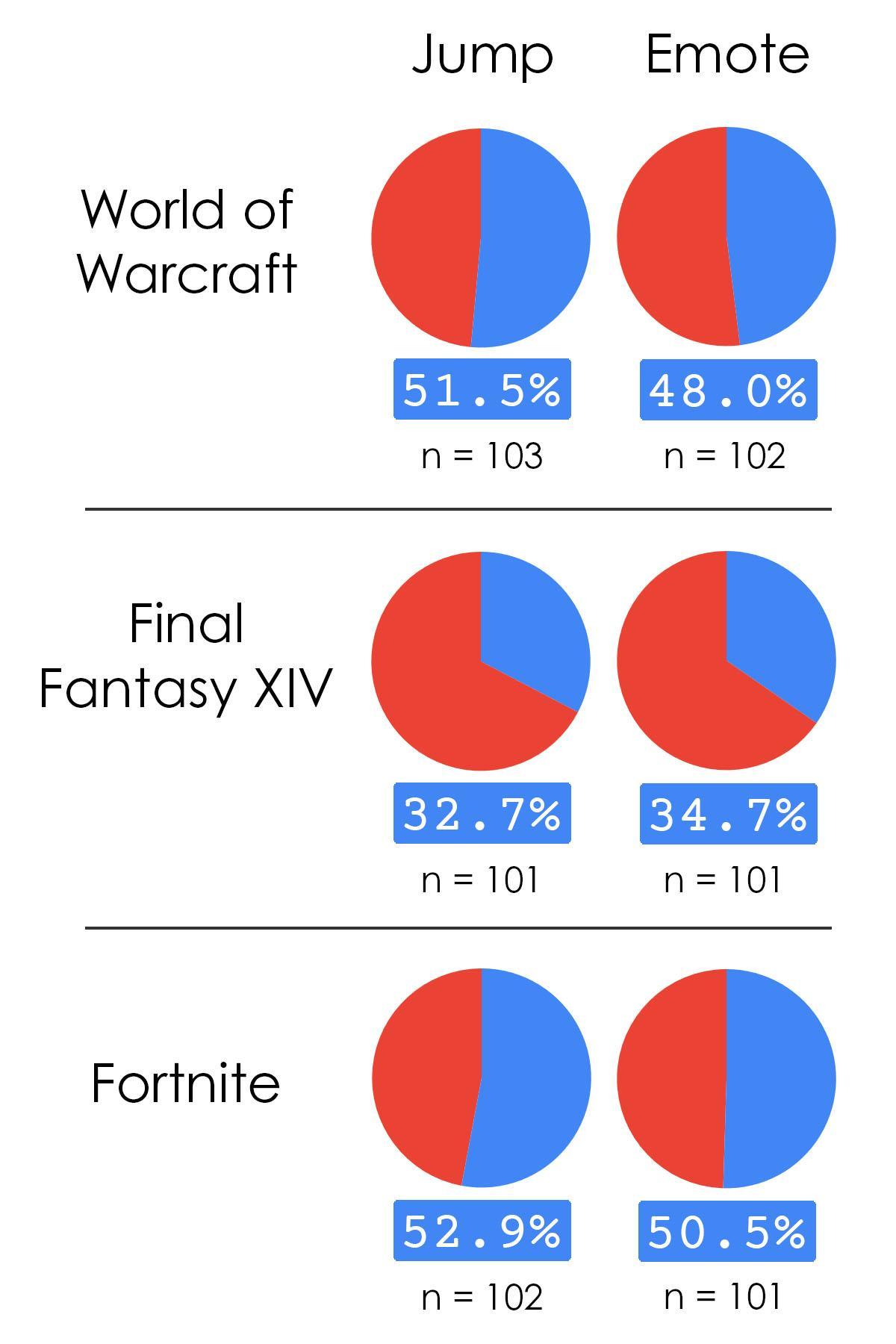
Below is an outline of the number of players (in percentages) who gave responses in each game.
Fig 2. The percentage of surveyed players to give a response
The most noticeable trend shown here is that, while the proportion of responses received varied between games, the number of responses to jumping is equal to the number of responses to emotes (α = 0.05). In other words, for both World of Warcraft and Fortnite, whether I made my avatar jump or perform an emote, around half of the players responded to me. For Final Fantasy XIV, in both surveys, I received responses from around a third of the players.
Without surveying players’ reactions to emotes, it might have seemed that fewer Final Fantasy XIV players recognised my jumping as a non-verbal greeting, thus weakening the case for this language being ‘inter-video game’. However, due to the proportion of responses of both surveys being statistically equal, the results would indicate that Final Fantasy XIV players are just as likely to recognise and respond to jumping as they are to an emote. As for why this game had fewer responses overall compared to the other two games, I can only speculate that perhaps Final Fantasy XIV players are less communicative or maybe they prefer different channels of communication. An appropriate answer to this question warrants its own discussion and research that would be beyond the scope of this dissertation.
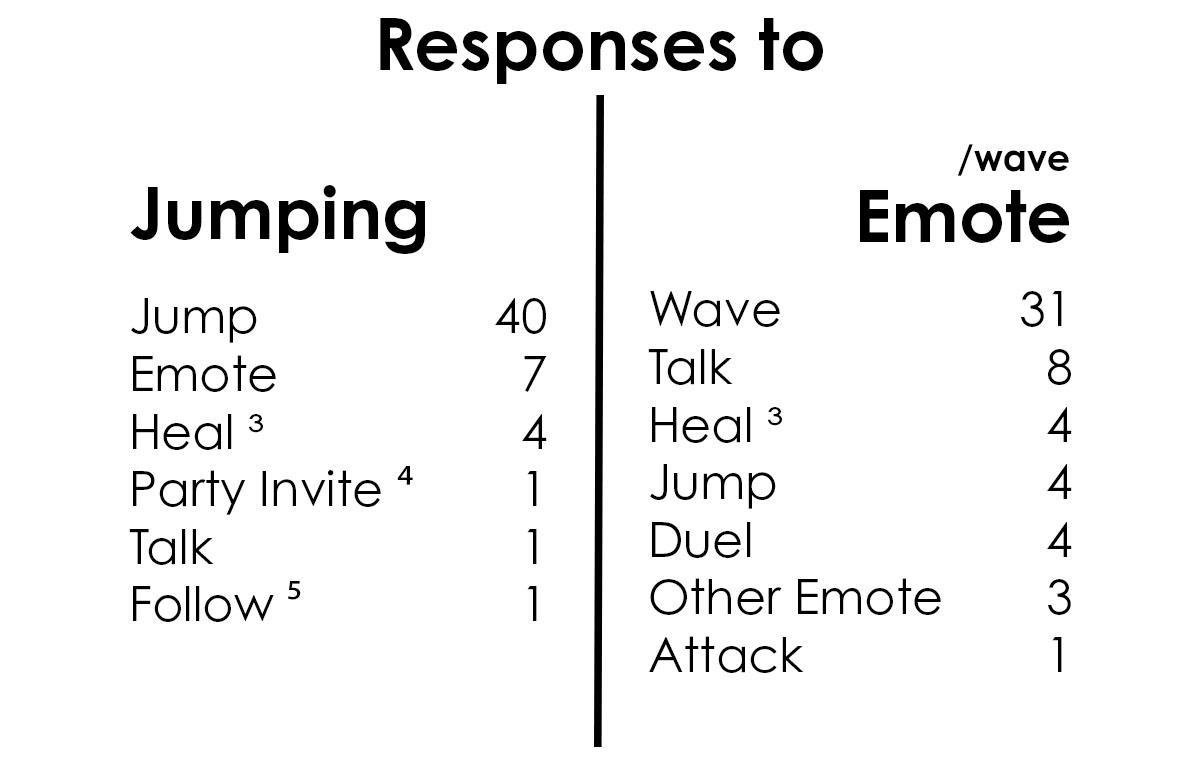
In addition to how many players responded to me, I recorded the ways in which each player responded so that I may see how others communicate in online games. A small number of players responded with multiple actions, so the total responses in these statistics will be slightly higher than the number of players who responded to me.
Fig 3. The ways in which World of Warcraft players responded
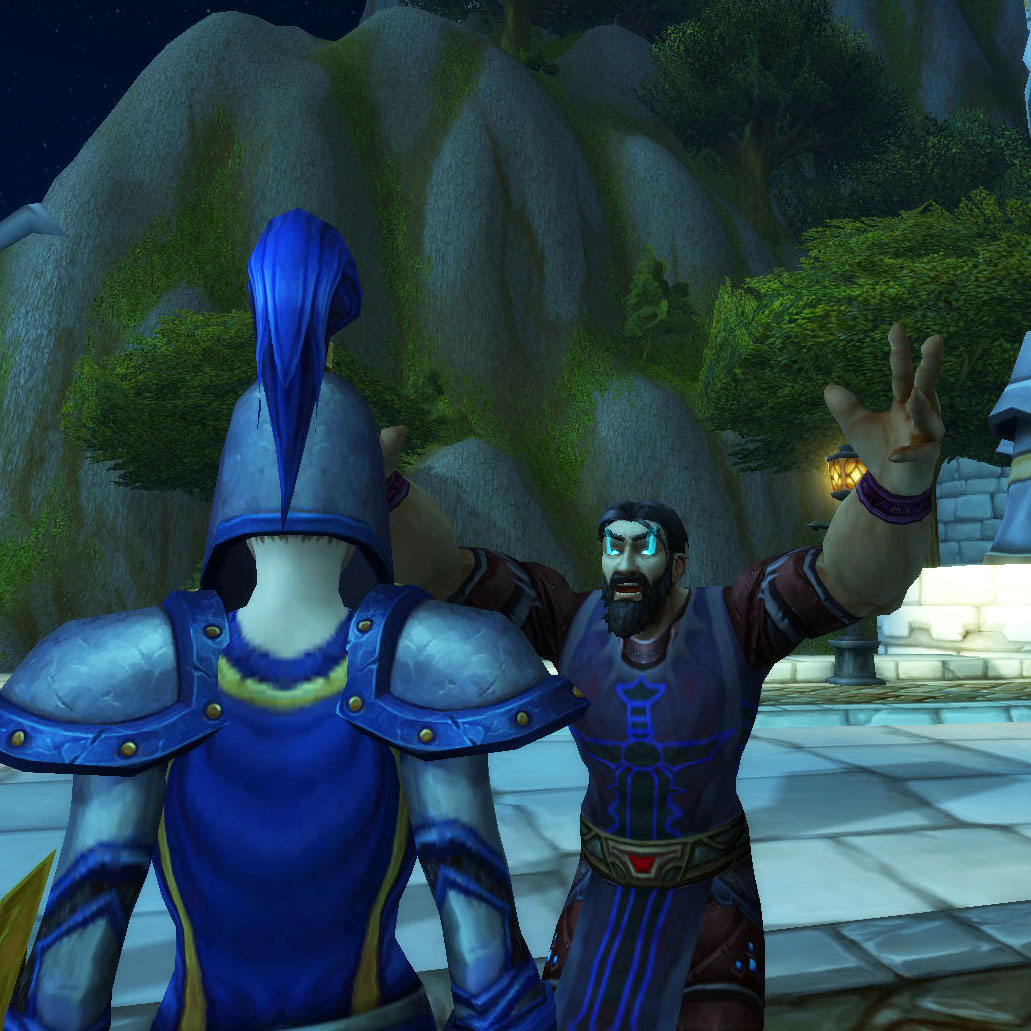
Starting with World of Warcraft, I believe that the most significant trend shown is that most players responded in the same way that I greeted them, though a small number of players responded with the alternate greeting (i.e. responding to an emote with a jump and vice versa). There were also several outlier responses received, like how 1 player led me behind a tree to attack me, but the most notable tertiary response that I observed was receiving a message from the other players. Interestingly, these messages came in English, French, German, and Russian. Only 1 player messaged me when I greeted them with a jump, whereas waving led to 8 players messaging me. I believe that the reason for this corresponds with Jackson’s statement that socialization causes language and identity to become intertwined (2014 p. 142). In this case, just as real-world non-verbal language is connected to particular facets of one’s identity and verbal language, the emotes that imitate them also share those same connections. Conversely, the non-verbal language created in online video games develops its connections to identities and culture independently.
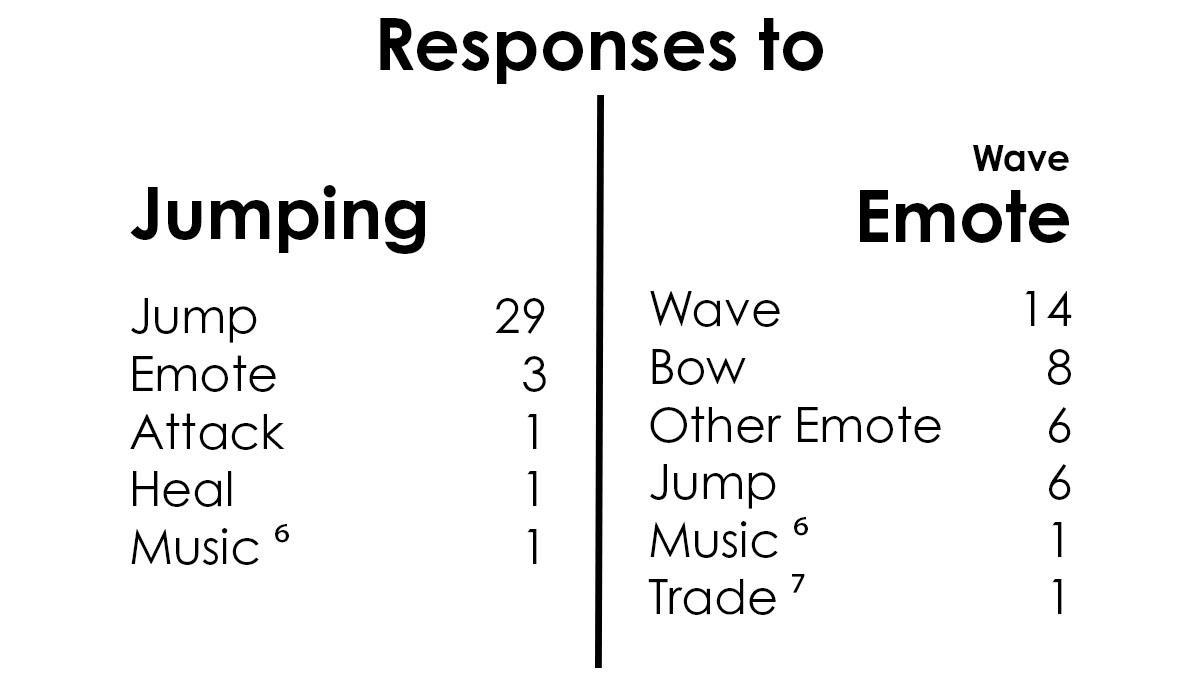
Fig 4. The ways in which Final Fantasy XIV players responded
As for Final Fantasy XIV, the same major trend from World of Warcraft can be seen again; players most often responded in the manner that they were greeted in. The non-verbal greeting of jumping was recognised and responded to in kind. My ‘Wave’ emote was recognised and responded to with emotes. Only this time, half of those players who used emotes did not use the same ‘Wave’ emote back to me. Instead, there was a mixture of emotes that mostly included the ‘Bow’ emote. Despite World of Warcraft also including a ‘/bow’ emote, players almost never used it in their responses to my greeting. While the jumping greeting is shown here to be a part of the inter-video game language of gamers, it seems that the culture of how emotes are used has varied between games and their respective communities. This is akin to how people in the real world may greet one another with a handshake or bow depending on their local culture. Additionally, no Final Fantasy XIV players attempted to talk to me as a response to either greeting. This again could be related to the same reasons that caused fewer players to respond to me in general compared to the other games.
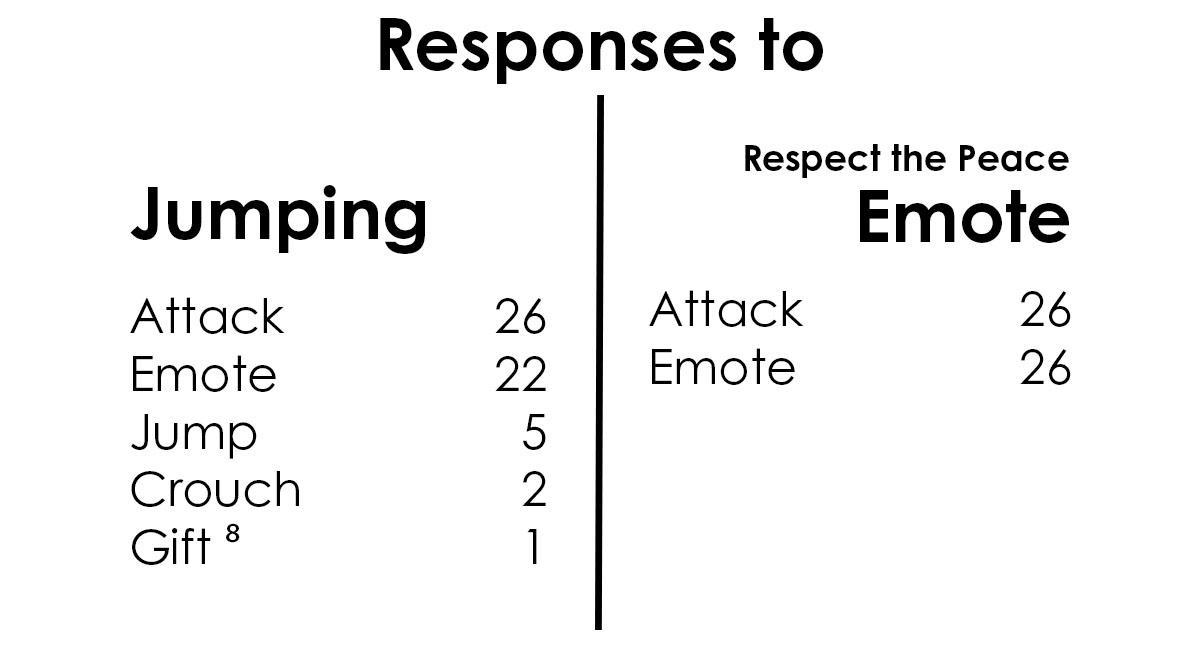
Fig 5. The ways in which Fortnite players responded
Lastly, while Fortnite players recognised and responded to both gestures equally often, conversely to the other two games, there is no distinct trend of players responding with the same greeting that they received. Instead, the most common responses were a wide variety of emotes and the other player attacking my avatar. Regarding the former, there was no trend in which emotes were used, likely due to Fortnite’s vast array of emotes available to its players (there are 339 emotes in this game at the time of writing). As for the latter, the abundance of players attacking me compared to the other games I surveyed is possibly a symptom of the game’s competitive FPS genre. I will expand on this point further in the next chapter. There is one additional trend shown in these statistics; a small number of players chose to respond with a non-verbal gesture (besides emotes and attacks) when greeted with a jump. In other words, while many players responded in a manner that was distinctive of this video game and genre, a small portion of players still instinctively responded in the gamer-made non-verbal language.
These surveys have all shown several clear trends and in the next chapter, I will discuss what these results have shown about the gamer-made non-verbal language.
At the beginning of the previous chapter, I laid out three questions to answer with my surveys. The first was “Is this language ‘inter-video game’?” and at least from the three games I checked, the answer is yes. The language does appear in multiple video games. In each game, a significant portion of players recognised and understood the non-verbal sign of jumping well enough to respond to me. This both confirms that jumping is a semiotic resource for making meanings and that the language is ‘inter-video game’, even appearing in multiple genres of video games.
The second question I asked was “How do players use/respond to this language?”. The answer to this is a little more complex than the previous answer. In the case of World of Warcraft and Final Fantasy XIV, players most often responded in the same language by using the same sign as me. As for Fortnite, it was a minority of players who responded with the same sign. The most popular response was for the other player to attack my avatar, which is another previously identified sign of the non-verbal language. However, due to the nature of this game, it is difficult to discern whether players were intending to communicate a taunt or if they were simply using the game mechanic as intended and practicing their aiming abilities with my avatar’s head. Just as Poe’s Law warns us of the trouble discerning the intention of a user’s online message, it is similarly difficult to ascertain another player’s intention, without the addition of another resource or the use of another language in conjunction with this one. Additionally, while I am confident that the jumps I received in the other game surveys were intended as a greeting, it remains possible that the players had different intentions.
The last question I asked was “How relevant is this language compared to game mechanics designed to imitate non-gaming languages?” and the answer is again a complex one. For each surveyed game, the number of players that responded to signs from the gamer-made non-verbal language was equal to the number of players who responded to emotes. This supports the argument that the language is as equally recognisable as game mechanics designed to imitate real-world non-verbal language. The key issue here, however, is that while players are recognising and responding to the language, in some games, players are not keen to use the language themselves. In this case, because of the point I outlined previously, we cannot be certain that Fortnite players’ attacks were meant for communicative purposes and thus it seems they rarely respond to my actions with a sign from this language. This introduces the possibility that while the language is recognisable, there are groups of players who do not instinctively use it.
Another observation from the survey results is that within World of Warcraft and Final Fantasy XIV there was less variety in responses from players when I jumped than when I used an emote. Me using emotes led to more players responding with a wide variety of emotes, attempting to talk to me verbally, and initiating trades or duels. Additionally, Fortnite players only used this language when I did (excluding inconclusive attacks) and never in response to an emote. I believe all of this is related to Hall’s comments on the power of non-verbal language (2019, p. 231); perhaps my non-verbal behaviour has shaped the social interactions that followed. It is possible that usage of the gamer-made language encourages players to respond in the same format, whereas emotes encourage players to respond using many of the other game mechanics. Use of mechanics as they were intended leads to players also using mechanics as intended; use of anti-language leads to players also using anti-language.
Furthermore, there is another possibility that this language acts as a lingua franca between not only gamers of different nationalities, but gamers of different games. Despite interacting with a cultural mix of players from many different countries and from different video game communities, between 33-53% of players were able to understand my greeting. This further perpetuates the idea that players are more likely to respond to the gamer-made language by using the same language because it is more likely to be a form of mutual communication with players of unknown identities. It is not unlikely that this is also why the language first came to be. Anti-languages are created to subvert communication norms and oppose existing language; this language does exactly that, only out of necessity rather than rebellion.
“Within a particular environment, at a certain period of history, language develops according to the needs and interests of the inhabitants” (Jackson, 2014, p.142)
To close, due to their cultural/linguistic differences and the limitations of communication within video games, gamers have attached meanings to game mechanics in order to use them as resources of a rudimentary ‘inter-video game’ language, creating a new ‘digilect’. As with any language, the gamer-made language has a unique set of semiotic and linguistic features, and with it pros and cons to its usage. Just as Communication Accommodation Theory suggests that language can draw people of different linguistic and cultural backgrounds together, we can anticipate that wherever there is a game with players needing to overcome communication difficulties, this language is one they can turn to.
Aarseth, E., 1997. Cybertext. 1st ed. Baltimore (MD): Johns Hopkins University Press.
Bainbridge, W., 2010. Warcraft Civilization - Social Science In A Virtual World. 1st ed. Cambridge: The MIT Press.
Balicer, R., 2007. Modeling Infectious Diseases Dissemination Through Online Role-Playing Games. Epidemiology, 18(2), pp.260-261.
Carlson, R., Corliss, J., 2011. Imagined Commodities: Video Game Localization and Mythologies of Cultural Difference. Games and Culture, 6(1), pp.61-82.
Ensslin, A., 2012. The Language of Gaming. 1st ed. Hampshire: Palgrave Macmillan.
Frasca, G., 2003. Simulation Versus Narrative: Introduction to Ludology. The Video Game Theory Reader. 1st ed. London: Routledge, pp.221-235.
Geraci, R., 2014. Virtually Sacred: Myth And Meaning In World Of Warcraft And Second Life. 1st ed. New York: Oxford University Press.
Gibson, James J., 1979. The Ecological Approach to Visual Perception. 1st ed. Boston: Houghton Mifflin.
Giles, H., Smith, P., 1979. Accommodation Theory: Optimal Levels of Convergence. Language and Social Psychology. Baltimore: Basil Blackwell. pp. 45-65.
Hall, J., 2019. Seneca’s De Beneficiis and non-verbal politeness in ancient Rome. Journal of Historical Pragmatics, 20(2), pp.225-243.
Halliday, M.A.K., 1976. Anti-Languages. American Anthropologist, 78(3), pp.570-584.
Halliday, M.A.K., 1978. Language as Social Semiotic. 1st ed. London: Arnold.
Iwabuchi, K., 2002. Recentering Globalization: Popular Culture and Japanese Transnationalism, Durham: Duke University Press.
Jackson, J., 2014. Introducing Language And Intercultural Communication. 1st ed. London: Routledge, pp.129-156.
Lemarchand, R., 2012. Making Your Games Better With Psychology And Playtesting, The Uncharted Way. Available at: <https://www.youtube.com/watch?v=TW7T9s1nYiU> [Accessed 10 March 2020].
Murray, J., 1997. Hamlet on the Holodeck: The Future of Narrative in Cyberspace. 1st ed. New York: Simon and Schuster.
Muysken, P., 2008. From Linguistic Areas to Areal Linguistics. Amsterdam: John Benjamins Publishing Co.
Pearce, A., 2016. Exploring Performance of Gendered Identities through Language in World of Warcraft. International Journal of Human–Computer Interaction, 33(3), pp.180-189.
Pérez-Latorre, Ó., 2015. The Social Discourse of Video Games Analysis Model and Case Study: GTA IV. Games and Culture, 10(5), pp.415-437.
Pérez-Latorre, Ó., Oliva, M., and Besalú, R., 2016. Videogame analysis: a social-semiotic approach. Social Semiotics, 27(5), pp.586-603.
SuperData, 2020. 2019 Year In Review: Digital Games And Interactive Media. [online] SuperData, a Nielsen Company. Available at: <https://www.superdataresearch.com/reports/2019-year-in-review> [Accessed 9 March 2020].
Takahashi, D., 2019. Superdata: Digital Games Grew 13% To $119.6 Billion In 2018; Fortnite Earned $2.4 Billion (Updated). [online] VentureBeat. Available at: <https://venturebeat.com/2019/01/16/superdata-digital-games-grow-12-to-109-8-billion-in-2018-fortnite-earned-2-4-billion/> [Accessed 9 March 2020].
Van Leeuwen, T., 2005. Introducing Social Semiotics. 1st ed. London: Routledge, pp.3-25.
Veszelszki, Á., 2017. Digilects. 1st ed. Berlin: De Gruyter Saur.
Bethesda Game Studios, 2018. Fallout 76. Bethesda: Bethesda Softworks.
Blizzard Entertainment, 2004. World of Warcraft. Irvine: Blizzard Entertainment.
Capcom, 1991. Street Fighter II. Chūō-ku: Capcom.
Epic Games, 2017. Fortnite. Cary: Epic Games.
Infinity Ward, 2007. Call of Duty 4: Modern Warfare. Santa Monica: Activision.
Square Enix, 2013. Final Fantasy XIV. Shinjuku: Square Enix.
Valve., Hidden Path Entertainment, 2012. Counter-Strike: Global Offensive. Bellevue: Valve.
Verant Interactive., 989 Studios, 1999. Everquest. San Diego: Sony Online Entertainment.
[1] The marked modes can be a context of discourse (out of the signer’s control), rather than a mode (within the signer’s control), depending on the video game.
[2] See Glossary for an explanation of these terms
[3] The other player used a healing spell on my avatar
[4] The other player invited me to join their adventurer’s party
[5] The player followed my avatar with their own for a short a while
[6] The other player played music on an instrument via their avatar
[7] The other player initiated a trade deal with me
[8] The other player gifted me an item